

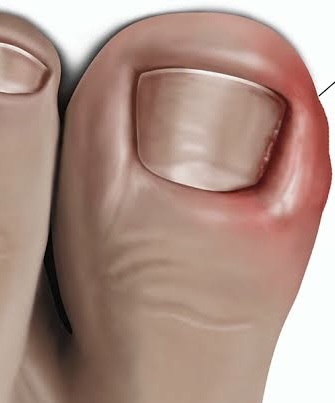
An ingrown toenail is one of the most common and painful foot problems we see at Frenchs Forest Foot Clinic. Whether it’s making it uncomfortable to walk, stopping you from exercising, or causing redness and swelling, an ingrown toenail shouldn’t be ignored.
The good news is that most ingrown toenails can be treated effectively, and the earlier you seek treatment, the easier they are to manage.
What Is an Ingrown Toenail?
An ingrown toenail occurs when the edge of the nail grows into the surrounding skin instead of over it. This causes irritation, inflammation and, in many cases, infection.
The big toe is most commonly affected, but any toenail can become ingrown.
What Causes Ingrown Toenails?
Several factors can contribute to an ingrown toenail, including:
- Cutting toenails too short or rounding the corners.
- Tight-fitting shoes that squeeze the toes.
- Sporting activities such as football, soccer, running and netball.
- Injury or trauma to the nail.
- Naturally curved or thick toenails.
- Genetics.
- Excessive sweating.
What Are the Symptoms?
You may notice:
- Pain when pressure is applied.
- Redness and swelling around the nail.
- Tenderness along one or both sides of the nail.
- Pus or drainage if infection develops.
- Difficulty wearing shoes or participating in sport.
Can I Treat an Ingrown Toenail at Home?
If caught early and there are no signs of infection, you may be able to manage mild symptoms by:
- Soaking your foot in warm salty water for 10–15 minutes.
- Keeping the area clean and dry.
- Wearing shoes with a wide toe box or open footwear where appropriate.
- Avoiding digging down the sides of the nail.
- Trimming the nail straight across once it has grown beyond the skin.
However, home treatment often provides only temporary relief if the nail continues to grow into the skin.
When Should I See a Podiatrist?
You should book an appointment if:
- The pain is worsening.
- The toe is swollen, red or infected.
- You have recurring ingrown toenails.
- Walking becomes painful.
- You have diabetes or poor circulation.
- Home treatment hasn’t helped after a few days.
Early treatment usually means a quicker recovery and less discomfort.
How Does a Podiatrist Treat an Ingrown Toenail?
At Frenchs Forest Foot Clinic, treatment is tailored to the severity of your condition.
Depending on your needs, we may:
- Carefully remove the offending piece of nail.
- Reduce pressure around the nail.
- Treat any infection.
- Provide advice on nail cutting and footwear.
- Recommend long-term management to prevent recurrence.
Permanent Nail Surgery
If your ingrown toenails keep returning, a minor nail procedure may be the best long-term solution.
This procedure:
- Is performed under local anaesthetic.
- Usually takes less than an hour.
- Permanently removes only the problematic edge of the nail.
- Has a high success rate.
- Allows most patients to return to normal activities within a few days.
Many patients tell us they wish they had done it sooner after years of repeated infections and pain.
How Can I Prevent Ingrown Toenails?
You can reduce your risk by:
- Cutting toenails straight across.
- Avoiding cutting nails too short.
- Wearing properly fitting footwear.
- Keeping your feet clean and dry.
- Having thick or difficult nails professionally managed.
- Seeking treatment early if discomfort develops.
Don’t Put Up with Pain
Ingrown toenails rarely resolve on their own and often become more painful over time. Early assessment can prevent infection and get you back to walking, exercising and enjoying life comfortably.
At Frenchs Forest Foot Clinic, we have extensive experience treating ingrown toenails, from simple conservative care through to permanent nail surgery.
If you’re experiencing pain, swelling or repeated infections, we’re here to help.
Book an appointment today.
Frenchs Forest Foot Clinic
Building 7, Suite 1/49 Frenchs Forest Road East, Frenchs Forest NSW 2086