

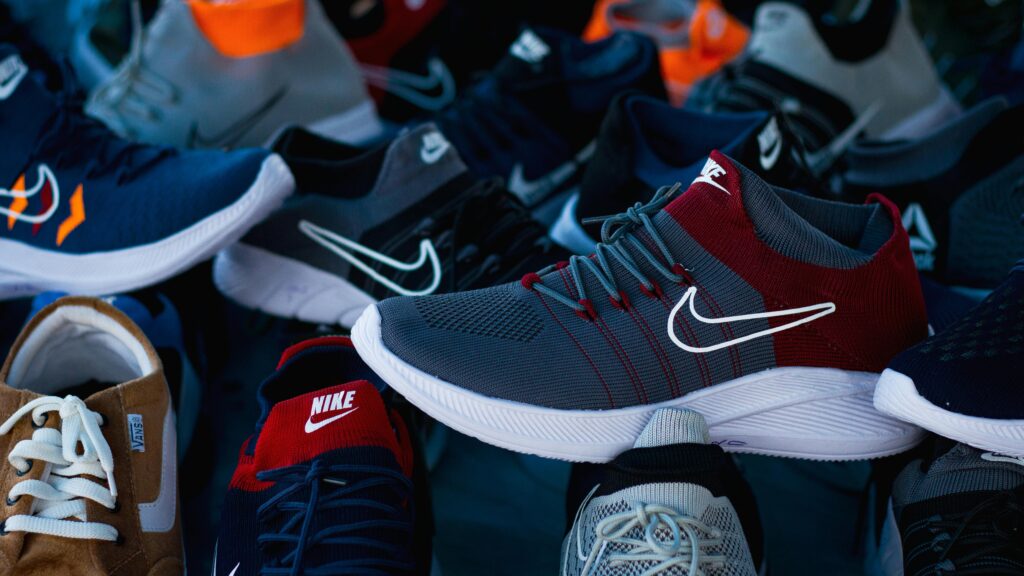
Choosing the right running shoes is one of the most important steps you can take to stay comfortable, improve performance, and reduce your risk of injury. With so many options available, it can be difficult to know where to start.
The right shoe for one runner may not be the best option for another, which is why understanding your feet, running style, and goals is essential.
At Frenchs Forest Foot Clinic, we regularly help runners of all levels find footwear that suits their individual needs and helps keep them active and injury-free.
Why Running Shoes Matter
Running places significant stress on your feet, ankles, knees, and hips. Poorly fitting or inappropriate shoes can contribute to problems such as:
- Heel pain
- Plantar fasciitis
- Shin splints
- Achilles tendon pain
- Forefoot pain
- Knee discomfort
- Blisters and nail problems
A well-fitted running shoe can improve comfort, support your foot mechanics, and help reduce excessive strain during training.
If you are already experiencing foot pain while running, learn more about our podiatry services.
1. Understand Your Foot Type
Everyone’s feet are different. Some people have higher arches, while others have flatter feet. Your foot type can influence how your foot moves when running.
Neutral Foot Type
Neutral runners generally have balanced foot movement and often suit neutral running shoes with moderate cushioning.
Flat Feet / Overpronation
If your feet roll inward excessively, you may benefit from a stability shoe that provides additional support.
High Arches
Higher arches often require shoes with good cushioning and shock absorption due to reduced natural shock absorption.
A professional podiatry assessment can help identify your foot type and running mechanics more accurately.
2. Know the Difference Between Shoe Categories
Neutral Running Shoes
Designed for runners with efficient foot mechanics and normal pronation.
Stability Running Shoes
Provide additional support for runners who overpronate or need more control.
Max Cushion Shoes
Offer extra cushioning for comfort and long-distance running.
Lightweight / Racing Shoes
Built for speed and performance but may provide less support and durability.
Trail Running Shoes
Designed with added grip and protection for off-road terrain.
3. Prioritise Comfort Over Brand
The “best” running shoe is the one that feels comfortable for your feet. Popular brands may work well for some runners but not others.
When trying on shoes:
- Ensure there is thumb-width space at the front
- Your heel should feel secure
- The shoe should not rub or pinch
- Your toes should move comfortably
- The shoe should feel comfortable immediately
You should not expect running shoes to “wear in”.
4. Consider Your Running Goals
Your ideal shoe may depend on how and where you run.
Short Casual Runs
A versatile daily trainer may be sufficient.
Long Distance Running
Additional cushioning and support may improve comfort over longer distances.
Speed Training
Lighter shoes may improve responsiveness.
Trail Running
Grip and stability become more important on uneven terrain.
5. Replace Shoes Regularly
Running shoes gradually lose cushioning and support over time. Continuing to run in worn-out shoes may increase injury risk.
As a general guide:
- Replace running shoes every 500–800km
- Check for uneven wear patterns
- Replace shoes if cushioning feels flat or uncomfortable
6. Don’t Ignore Pain
Foot or leg pain while running is not something you should simply “push through”. Early assessment and footwear advice can help prevent small issues becoming long-term injuries.
Common warning signs include:
- Heel pain in the morning
- Persistent calf tightness
- Forefoot soreness
- Knee pain after running
- Recurring blisters or black toenails
If symptoms continue, you may benefit from an assessment for heel pain treatment or sports-related foot injuries.
Professional Footwear Advice
At Frenchs Forest Foot Clinic, we assess:
- Foot posture and biomechanics
- Running gait
- Footwear suitability
- Injury risk factors
- Training-related pain
We can help guide you toward the most appropriate running shoe for your foot type and activity level.
Need Help Choosing the Right Running Shoes?
Whether you are starting your running journey or training for your next event, choosing the right footwear can make a significant difference to your comfort, performance, and long-term foot health.
Frenchs Forest Foot Clinic
Phone: (02) 9453 4400
Website: fffc.com.au